Located in Georgetown, Ontario — Supporting Clients Virtually Across the Province

Helping Your Child Thrive in School: Strategies from a Teacher AND Therapist
As both a teacher and a therapist, I’ve watched countless children flourish when given the right tools and emotional foundation. I’ve also seen how easily a child’s confidence can be shaken by challenges that adults may not immediately recognize. Thriving in school isn’t just about academics; it’s about emotional safety, resilience, and feeling understood.
Melissa Lerner, RP (Qualifying), BPS, OCT, BA
11/25/20253 min read
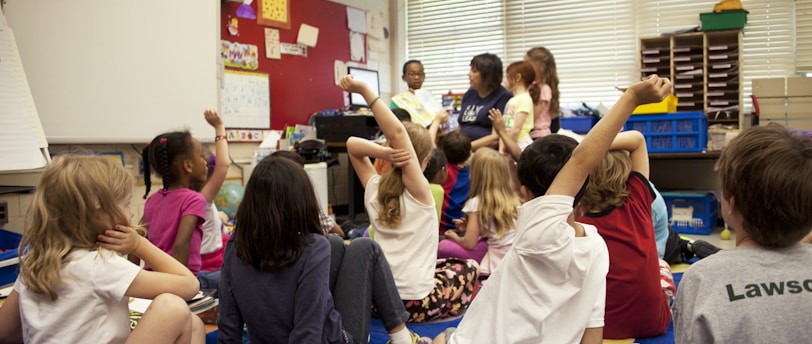
Schools are busy, emotional places. They’re filled with friendships, expectations, routines, noise, excitement, pressures, and moments that can build confidence or unravel it. Some children move through the school day with ease. Others struggle not because they aren’t capable, but because their learning environment, emotional world, or skill development needs more support.
As both a teacher and a therapist, I’ve watched countless children flourish when given the right tools and emotional foundation. I’ve also seen how easily a child’s confidence can be shaken by challenges that adults may not immediately recognize. Thriving in school isn’t just about academics; it’s about emotional safety, resilience, and feeling understood.
Why Some Children Struggle and Why It’s Not a Reflection of Ability
Many parents assume that school struggles are strictly academic: difficulty reading, trouble focusing, or falling behind in math. But often, the underlying issues are emotional or developmental in nature.
Some children enter the classroom carrying the weight of their home environment: transitions, stress, or unspoken tension. Others are deeply sensitive and overwhelmed by the noise, stimulation, or social complexity of school. Some try so hard to behave or fit in that they burn out by lunchtime. Others seem disengaged when, in reality, they’re anxious, overstimulated, or unsure how to ask for help.
Children’s brains and nervous systems are still learning the skills adults take for granted: organizing thoughts, managing frustration, shifting tasks, understanding social cues, and self-regulating big feelings throughout the day.
A child who is struggling is not broken – they are still building skills.
How Children Process the School Day
A typical school day places constant demands on a child’s mind and emotions:
Social navigation: friendships, conflict, inclusion, exclusion, expectations
Academic pressure: performance, fear of making mistakes, comparisons
Sensory load: noise, bright lights, unpredictability, transitions
Emotional strain: wanting to please adults, disappointment, embarrassment, overwhelm
Some children mask their struggles at school and unravel at home, where it feels safe. Others show their overwhelm directly in the classroom. Both patterns tell a story about the child’s capacity and emotional bandwidth.
Understanding how your child experiences school both emotionally and academically is the first step toward helping them thrive.
Strategies to Help Your Child Succeed – From Both a Teacher’s and Therapist’s Lens
1. Build Predictable Routines at Home
Morning chaos sets the tone for the whole day. Create simple, repeatable routines:
Clothing chosen the night before
Packed backpack in a designated spot
Visual schedules for younger children
A calm, unhurried breakfast routine
Predictability reduces anxiety and supports executive functioning.
2. Create Space for Emotional Check-Ins
Ask questions that go beyond “How was school?”
Try:
“What was the best part of your day?”
“What was tricky today?”
“Did anything surprise you?”
“How did your body feel at school today?”
Children reveal more when they feel emotionally safe and when the conversation isn’t rushed.
3. Collaborate with the Teacher (Not Just When Something Goes Wrong)
Teachers want your child to succeed, but they don’t always know what happens at home or the emotional load your child may be carrying. Brief, respectful communication builds partnership, not pressure.
Share if your child is going through a transition, struggling emotionally, or has a specific need. You don’t have to disclose everything; just enough to help the teacher understand what your child requires to feel supported.
4. Teach Emotional Regulation Skills
Children perform better academically when they feel steady internally.
Simple tools help:
Deep breathing or grounding exercises
A quiet corner at home for calming down
Scripts for naming emotions (“I’m overwhelmed,” “I’m confused,” “I need help”)
Movement breaks for kids with busy bodies or ADHD tendencies
Children develop regulation skills with practice; they don’t start out already having them.
5. Support Executive Functioning
Executive functioning impacts everything: organizing homework, following instructions, transitioning between tasks, and planning ahead.
To strengthen these skills:
Break tasks into smaller steps
Use visual reminders and checklists
Practice time awareness (timers work wonders)
Offer structure without doing everything for them
Small, consistent supports build independence.
6. Celebrate Effort Over Outcome
Perfectionism often begins in childhood. When praise focuses only on grades, the child learns that achievement equals worth.
Shift the focus:
“You worked really hard on this.”
“I’m proud of how you stuck with it.”
“You tried something challenging — that shows courage.”
A growth mindset is built moment by moment.
When Extra Support Can Make a Difference
If your child is struggling academically, emotionally, or socially at school, therapy can offer tools, perspective, and emotional grounding. With a unique blend of clinical training and years of classroom experience, I help children understand their feelings, strengthen their skills, and rebuild confidence in learning environments.
I also support parents in understanding the “why” beneath behaviours and in navigating the school system with clarity and compassion.
“I became a therapist after experiencing the impact of counselling in my own life. Therapy helped me work through anxiety and depression, understand my emotions, and build lasting inner strength. That transformation encouraged me to support others in creating change in their own personal journeys.”
- Melissa Lerner, RP (Qualifying), BPS, OCT, BA
If your child is struggling or if you want to give them a stronger emotional foundation, I’m here to help.
Let’s work together to support their confidence, well-being, and success in school.
➡ Book a weekend or evening session with Melissa today.
© 2025 Melissa Lerner Counselling | Privacy Policy